
Should Winter Tires Be Mandatory in Canada?
Winter tires: a simple fix or a big policy problem?
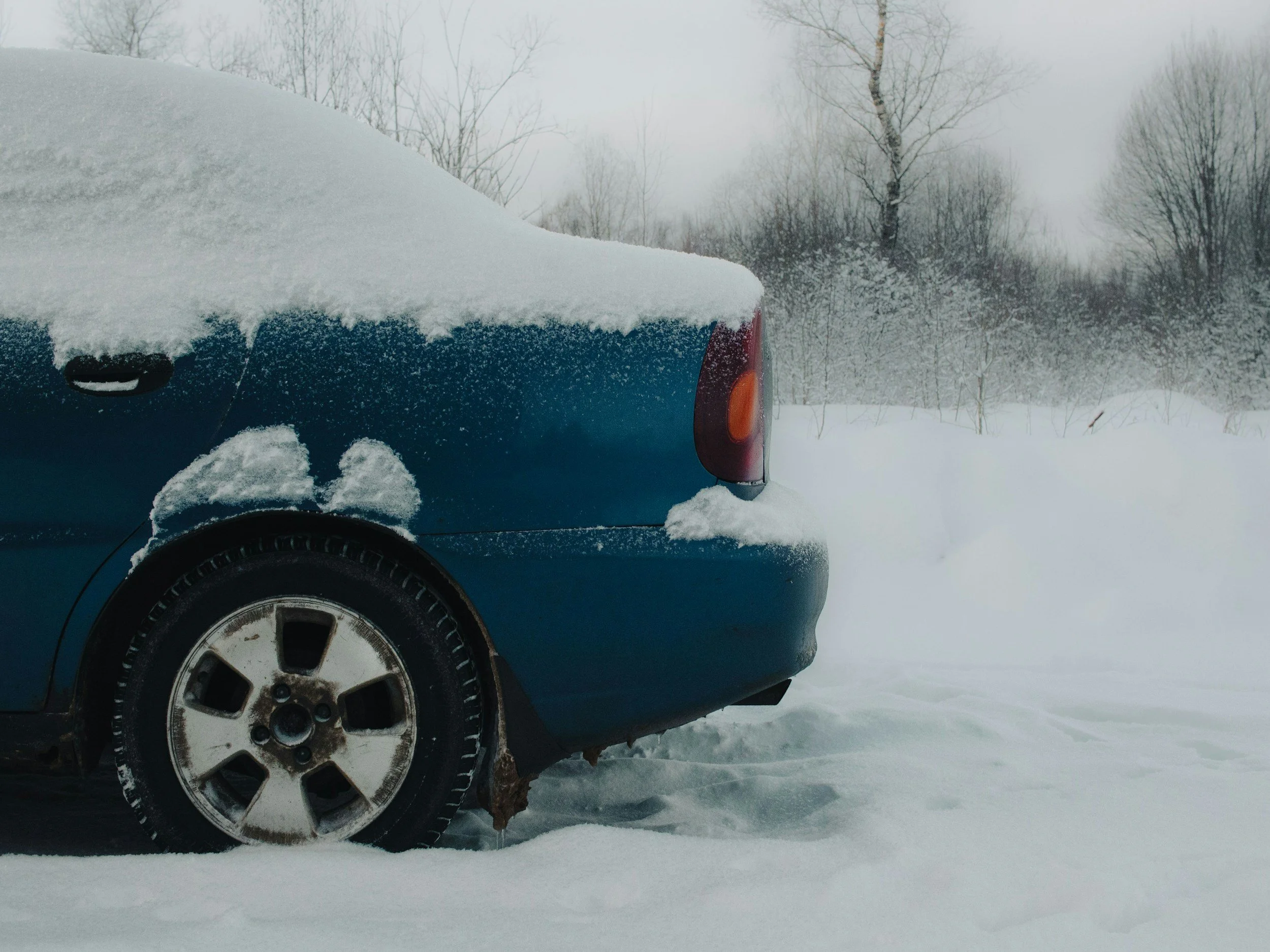
This whole train of thought started as I stood at my office window, coffee in hand, watching my neighbour dig their car out of a snowdrift. They shovelled, tried to move, spun the wheels, and went nowhere.
Snow 1 — Honda Civic 0.
Honestly, that’s probably for the best given the state of the roads right now — especially as they don’t have winter tires.
Toronto has just been hit by what’s being called a once-in-a-generation winter storm, with 56 centimetres of snow burying the downtown core, disrupting public transit, closing schools, and causing chaos on the roads.
The Ontario Provincial Police logged roughly 200 collisions in 24 hours, along with another 150 stuck-vehicle incidents. Toronto police responded to 438 collisions and were actively telling people to take transit — if they had to go out at all.
I’m under no illusion that winter tires magically make driving “safe” in weather like this. Even the best setup wouldn’t have saved half the cars fishtailing through intersections.
One thing that’s really stood out to me is how many drivers still underestimate the importance of winter preparedness. I’m not just talking about winter tires, but clearing snow and ice properly, keeping the gas tank topped up, carrying an emergency kit, or even having a shovel in the trunk.
Winter weather is one of the most predictable drivers of auto insurance claims in Canada — yet many drivers remain ill-equipped. This presents an opportunity for the industry:
What more could insurers, brokers, and regulators do collectively to reduce winter risk and avoidable losses?
Quebec is currently the only jurisdiction in Canada with a province-wide winter tire requirement. From my experience in Toronto, there’s a strong case for expanding this to other snow-prone regions in Canada — or at least offering more meaningful incentives where winter tires clearly improve road safety.
On the surface, it makes sense. Winter tires improve traction, braking, and control in cold conditions. Fewer winter collisions should theoretically mean fewer auto claims — something insurers should welcome, with the industry combined ratio hovering around 100%.
But nothing’s ever that simple. Mandating winter tires comes with trade-offs. There’s the added cost for consumers, challenges around enforcement, and equity concerns — especially for lower-income households.
Most insurers already offer a snow-tire discount, usually around 2–5%. But the financial incentive is modest.
On an average annual auto premium of about $2,779 in Ontario, a 3% discount works out to roughly $41.68 a year, when applied to the winter months (usually Nov-Apr) — compared to approximately $800 for a set of tires, plus seasonal changeovers and possible storage costs. The long-term value is there, but the short-term incentive may not be strong enough to change behaviour on its own.
From an insurance perspective, winter tires aren’t a silver bullet. While they may reduce the number of collisions, higher repair costs — driven by increasingly complex vehicle technology, skilled labour shortages, and parts constraints — can offset much of that benefit.
Watching my neighbour battle that snowdrift got me thinking: where is the real opportunity here?
Should the insurance industry rally behind regulation mandating winter tires?
Or is it better to focus more on education, stronger incentives, and more consistent messaging about winter risk?
Mandatory winter tires might be part of the answer. But they’re probably not the whole solution.
I’m curious where people land on this. Let me know your thoughts in the comments.